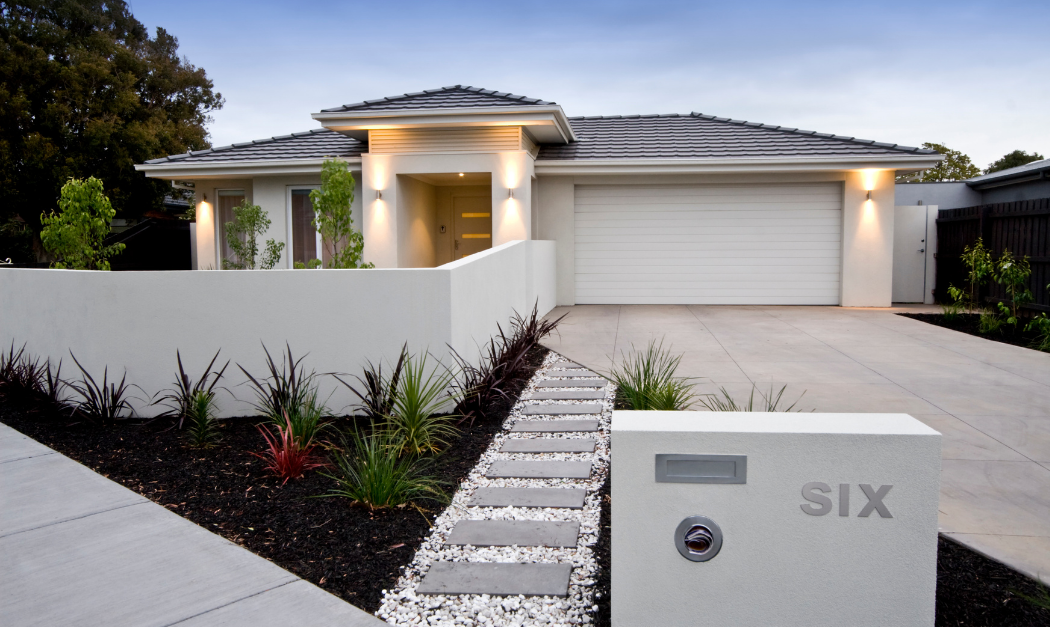
Walk through any Australian suburb and you’ll quickly notice that ‘buying a home’ rarely means the same thing twice. From freestanding houses on quarter-acre blocks to compact units in high-rise towers, the Australian property market offers a diverse mix of dwelling types, each with its own ownership structure, lifestyle trade-offs, and investment characteristics.
For first home buyers and investors alike, understanding these property types before you start searching is essential. The difference between a unit, a townhouse, a duplex, and a villa isn’t just cosmetic. It affects your strata levies, land ownership rights, renovation potential, and long-term capital growth prospects.
This guide breaks down the most common types of residential properties in Australia: what they are, who they suit, and what to watch out for before you buy. And if you’d like expert guidance tailored to your goals, Moove’s tech-enabled buyer’s agents work across Sydney, Melbourne, Brisbane, Perth, Adelaide, and Canberra to help you find the right property type at the right price.
Freestanding Houses
A freestanding house, also called a detached house or standalone dwelling, is a single residential building that sits on its own parcel of land, with no shared walls connecting it to a neighbouring property. It is the most traditional and widely recognised form of housing in Australia, and for many buyers it represents the benchmark they are working toward.
What Do You Actually Own?
When you purchase a freestanding house in Australia, you typically acquire what is known as Torrens title, the most common form of property ownership in the country. Under Torrens title, your name is registered on a Certificate of Title, giving you full legal ownership of both the land and everything built on it: the house, driveway, backyard, fences, and any outbuildings. There are no shared walls, no body corporate, and no strata levies. You are solely responsible for the property’s upkeep, but you also have the greatest freedom to modify, extend, or renovate it, subject to local council approval.
Why Do Freestanding Houses Tend to Outperform?
Land is the asset that appreciates; the building on top of it depreciates over time. Because a freestanding house comes with its own dedicated land component, it has historically delivered stronger long-term capital growth than apartments or units in most Australian markets. According to data from Mortgage Professional Australia, at the start of the millennium a typical Australian house was worth around $210,000. By the end of 2025, the combined capital city average had reached approximately $1.18 million. And in some markets, apartments delivered roughly half the capital growth of detached houses over the same period. This land-to-asset ratio is the core reason so many long-term investors and owner-occupiers target freestanding houses when building wealth through property.
The Price Premium (and How to Navigate It)
That long-term performance comes at a cost. As of early 2026, the national median house price sits at over $1 million, with the combined capital city median exceeding $1.15 million. Sydney remains the country’s most expensive market, recording a median house price of $1.76 million at the end of 2025. For buyers, particularly first home buyers, the gap between what they can borrow and what a well-located freestanding house costs is one of the most significant hurdles in the market today. This is where having an expert on your side matters. Moove’s buyer’s agents work across Sydney, Melbourne, Brisbane, Perth, Adelaide, and Canberra to help buyers identify freestanding houses that are correctly priced, well-located for long-term growth, and not overlooked simply because they didn’t present well online. Moove’s Classic package ($12,000 GST-inclusive) includes property search, access to off-market and pre-market listings, and unlimited negotiations, giving buyers a genuine edge in competitive markets where the best houses rarely last long.
What to Watch Out For When Buying a Freestanding House
Unlike strata properties, there is no building manager or owners corporation responsible for shared infrastructure. Everything is your responsibility from day one. Before exchanging contracts on a freestanding house, it is essential to commission a building and pest inspection to identify structural issues, termite activity, or defects that are not visible during a standard open home. Drainage problems, asbestos in older homes (particularly those built before 1990), and boundary disputes are also common issues that can be costly if missed. Buyers should also review the zoning of the land, as properties in certain zones may have development restrictions or, conversely, may be targeted for medium-density rezoning, something that can affect both liveability and future value. Moove’s property assessments cover these due diligence checks, so buyers are not relying solely on their own judgment when making what is likely the largest financial commitment of their lives.
Townhouses
A townhouse is a multi-level dwelling that shares one or more walls with neighbouring properties but maintains its own separate entrance, private outdoor space, and, in most cases, a small land component. Townhouses are typically built in rows or clusters as part of a residential development, and they occupy a distinct middle ground between a freestanding house and an apartment. They are one of the fastest-growing dwelling types in Australia’s major cities, particularly as urban infill and medium-density development expands across inner and middle-ring suburbs.
How Ownership Works
Most townhouses in Australia are sold under strata title, which means you own your individual lot, the internal space of your dwelling within defined boundaries, along with a shared interest in the common property of the development. Common property can include shared driveways, garden areas, fencing, roofs, and external walls. All owners within the strata scheme collectively form a body corporate (known as an owners corporation in NSW, Victoria, and the ACT, and a strata company in Western Australia), which is responsible for managing and maintaining those shared areas. Each state and territory has its own legislation governing strata and community titles, so the rules and obligations vary depending on where the property is located. Some townhouses, particularly those on larger individual blocks, are sold under Torrens title, meaning there is no shared ownership and no body corporate. Buyers should always confirm the title type before making an offer, as it significantly affects ongoing costs and governance responsibilities.
Strata Levies: What Townhouse Buyers Need to Budget For
One of the most important ongoing costs for townhouse owners is the strata levy, sometimes called a body corporate fee. These levies fund two separate accounts: an administrative fund for day-to-day expenses such as building insurance, common area maintenance, and gardening; and a sinking fund (or capital works fund) for major future expenditure such as roof repairs, driveway replacement, or painting of external walls. The average body corporate levy in Australia currently sits between $3,000 and $12,000 per year, depending on location, building age, and amenities. Townhouses with minimal shared facilities (a small complex with no lift, pool, or gym) typically sit at the lower end of that range. Buyers should request several years of body corporate meeting minutes and financials before exchanging contracts, as an underfunded sinking fund can result in a special levy being struck against all owners, sometimes for tens of thousands of dollars, shortly after purchase.
Who Buys Townhouses, and Why
Townhouses appeal to a wide range of buyers. For first home buyers priced out of the freestanding house market, a townhouse in an established suburb often delivers more space, better liveability, and a meaningful land component at a more accessible price point. For downsizers, townhouses offer lower-maintenance living without the full trade-off to apartment life. For investors, townhouses can offer stronger rental yields than freestanding houses in comparable locations, with the added benefit of being easier to maintain and more attractive to family tenants than a one-bedroom unit. Long-term, townhouses and apartments have historically averaged around 6% capital growth per year, compared to approximately 7% for freestanding houses, a modest difference that can compound meaningfully over time, though well-located townhouses in high-demand suburbs have consistently outperformed that average.
What to Watch Out For
Not all townhouse developments are equal, and the quality of the strata scheme matters as much as the property itself. Buyers should look carefully at the size of the complex. Smaller schemes with fewer lots can mean levy costs are spread across fewer owners, increasing individual exposure to special levies. Newer developments are not automatically safer; defect issues in recently constructed townhouses have become increasingly common across Australia’s eastern capitals, making a thorough building inspection and a review of any active strata disputes essential steps before purchase. Moove’s buyer’s agents are experienced in assessing strata documents, identifying red flags in body corporate financials, and shortlisting townhouses that stack up, not just aesthetically, but structurally and financially. For buyers considering a townhouse as either a home or an investment, that due diligence can make the difference between a sound purchase and a costly one.
Units and Apartments
A unit or apartment is a self-contained dwelling that forms part of a larger building or complex. The terms are often used interchangeably in Australia, though ‘unit’ tends to refer to properties in smaller, low-rise complexes, typically two to four storeys, while ‘apartment’ is more commonly associated with larger, multi-storey buildings. Both are held under strata title, meaning each owner holds individual title to their lot, the interior space of their dwelling within defined boundaries, along with a shared interest in the building’s common property, which can include lobbies, lifts, car parks, gardens, pools, and shared corridors. All owners within the strata scheme are automatically members of the owners corporation (called a body corporate in Queensland, Tasmania, and the Northern Territory, and a strata company in Western Australia), which governs and funds the management of that common property.
The Affordability Advantage
Units and apartments remain the most accessible entry point into Australia’s property market, particularly for first home buyers in capital cities where freestanding house prices have moved well beyond the reach of many borrowers. As of early 2026, the national median price for a unit, apartment, or townhouse sits at approximately $741,000, compared to a capital city median house price exceeding $1.15 million. That price gap, roughly $400,000 across the capitals, is the primary reason units consistently attract strong demand from first home buyers and investors alike. In cities like Sydney and Melbourne, a well-located unit can give a buyer access to an established suburb, quality transport connections, and strong rental demand at a fraction of the cost of a nearby house. For investors, units typically outperform houses on rental yield by one to two percentage points due to lower purchase prices and strong rental demand.
High-Rise vs Low-Rise: Why the Distinction Matters
Not all apartments carry the same risk profile, and the difference between a boutique low-rise block and a large high-rise tower goes well beyond aesthetics. According to a 2023 NSW government strata study, more than half of newly registered structures built since 2016 had at least one severe defect, with average repair costs of $331,829 per building, with waterproofing and fire safety the most common issues identified. High-rise buildings built during the apartment construction boom of the 2010s have been particularly affected, with some, including Sydney’s Opal Tower and Mascot Towers, requiring full evacuation due to structural defects. Combustible cladding is a separate but related concern: following the Lacrosse building fire in Melbourne in 2014 and the Grenfell Tower fire in London in 2017, widespread use of aluminium composite panels with polyethylene cores came under intense scrutiny across Australia. Buyers considering any apartment built between roughly 2005 and 2020 should specifically check whether a cladding assessment has been conducted and whether any rectification works are outstanding or unresolved. Low-rise buildings of three storeys or fewer, and older red-brick blocks built before the high-rise construction boom, have generally presented fewer defect issues, though they come with their own maintenance considerations.
What Investors and Owner-Occupiers Should Know
For investors, the case for apartments in 2025 and beyond has strengthened relative to prior cycles. In 2025, around 76% of Brisbane unit markets matched or outpaced house price growth, with Perth and Sydney recording similar results, marking a meaningful shift from the pattern of prior years. Tight vacancy rates, strong rental demand from population growth, and the relative affordability of units compared to houses have all contributed to improved capital growth performance. CBRE forecasts that median apartment rents across Australian capital cities will grow by approximately 24% between 2025 and 2030, with vacancy rates expected to tighten further to 1.1% by 2030. For owner-occupiers, a well-chosen unit in a boutique complex near transport, employment, and lifestyle amenities can deliver an excellent quality of life, particularly for singles, couples, and downsizers who prefer lower-maintenance living.
What to Watch Out For
The quality of the strata scheme is as important as the quality of the individual apartment. Before purchasing any unit or apartment, buyers should obtain and carefully review the strata inspection report, which details the financial health of the owners corporation, any active building defects or disputes, the balance of the administrative and sinking funds, and any outstanding or proposed special levies. An underfunded sinking fund in a building with ageing infrastructure is one of the most common ways apartment buyers are caught off guard after settlement. Buyers should also review the by-laws of the scheme, which govern everything from pet ownership and short-term letting to renovation approvals and noise, as restrictive by-laws can significantly limit how you use and modify your property. Moove’s buyer’s agents are experienced at identifying which apartment buildings stack up on due diligence and which ones to avoid, saving buyers from costly mistakes that are not always visible during a standard open home inspection.
Duplexes
A duplex is a residential building containing two separate, self-contained dwellings (typically side by side or occasionally one above the other) on a single parcel of land. Each dwelling has its own entrance, living areas, bedrooms, kitchen, and bathroom, and the two are separated by a shared internal wall. In everyday Australian property language, the term ‘duplex’ is often used interchangeably with ‘dual occupancy,’ though these are technically distinct concepts. A dual occupancy refers to two dwellings on one lot that remain on the same land title unless subsequently subdivided, while a duplex is generally understood as an attached dual occupancy that can be strata-titled to separate ownership of each side. For buyers purchasing an existing duplex, rather than developing one from scratch, understanding which title structure applies is one of the first and most important questions to answer.
Title Structures: Single Title, Strata, or Torrens
When purchasing a duplex, a buyer may encounter one of several ownership arrangements. A duplex on a single Torrens title means both dwellings are owned together under one certificate of title, common with older duplexes that have never been subdivided. A duplex that has been strata-titled means each dwelling has been assigned its own strata lot, allowing independent ownership and sale of each side, though owners share an interest in common property and may be subject to body corporate levies. A Torrens-subdivided duplex, where the land has been physically split into two separate lots, gives each dwelling its own freehold title with no shared obligations, and is generally the structure that commands the highest per-dwelling value. A strata-subdivided duplex typically sells at a ten to fifteen per cent discount to a Torrens title equivalent, as strata subdivision is cheaper to complete but produces lower individual sale values. Buyers should confirm the title structure with their conveyancer before proceeding, as it affects stamp duty, financing, ongoing costs, and exit flexibility.
Why Duplexes Appeal to Investors
Duplexes are one of the most versatile property types available to Australian investors, and their appeal has grown steadily as capital city land values have risen. The core investment case is straightforward: two separate rental incomes from a single land purchase. If one tenancy is vacant, the other continues generating income, which materially reduces the vacancy risk that affects single-dwelling investments. Beyond yield, duplexes offer the potential for what property investors call manufactured equity, where a duplex is subdivided and strata-titled after construction, often producing an immediate increase in combined property value that exceeds the original build or purchase cost. Investors who buy an existing duplex on a single title in a well-located suburb may also have the option to complete a subdivision at a later stage, unlocking additional value without further land acquisition. Moove’s Invest and Invest Bespoke packages, which start from $15,000 GST-inclusive, are specifically designed to help investors identify and acquire properties, including dual-occupancy and duplex opportunities, that align with their income and growth objectives. Moove uses data across more than 15,000 suburbs nationally to pinpoint locations where duplex acquisitions offer genuine long-term value.
Regulatory Considerations: What Buyers Need to Know
Whether a buyer is purchasing an existing duplex or assessing a site for future development, zoning and planning rules are critical. Duplex permissibility varies significantly by state and even between neighbouring council areas. In NSW, regulations have been substantially liberalised: as of February 2025, the NSW Government now allows dual occupancies in R2 Low Density Residential zones across the state, with a minimum lot size of 450 square metres and 12-metre frontage required. This change unlocked thousands of previously ineligible sites across Sydney and regional NSW. In Queensland, Victoria, South Australia, and Western Australia, duplex permissibility is governed by a combination of state planning frameworks and local council development controls, which can vary significantly between areas. Buyers considering a property with duplex development potential, or looking to purchase an existing duplex, should always verify the current zoning, minimum lot requirements, and subdivision rules with their local council or a town planner before proceeding. Moove’s buyer’s agents can help assess whether a site genuinely supports the development outcome a buyer is targeting, rather than discovering limitations after exchange.
What to Watch Out For
When purchasing an existing duplex, buyers should scrutinise the building carefully, particularly older duplexes built before modern construction standards, where shared structural elements such as party walls, roofing, shared drainage, and common driveways can create maintenance complexity and potential disputes between neighbours. If the duplex is on a single title and both dwellings are tenanted, buyers should also obtain copies of both tenancy agreements and review current rental income against market rates. If the property is strata-titled, the same due diligence applies as for any strata property: review the body corporate financials, confirm the sinking fund balance, and check for any outstanding special levies or unresolved defect claims.
Villas and Villa Units
A villa (sometimes listed as a villa unit) is a single-storey strata-titled dwelling that typically shares one or more walls with neighbouring properties within a small residential complex. Villas generally offer more internal space and a stronger sense of privacy than a standard apartment, often including a private courtyard or garden, a carport or garage with internal access, and a separate entrance. They are most commonly found in low-rise complexes of four to twelve dwellings, built across established inner and middle-ring suburbs in cities like Sydney, Melbourne, Brisbane, Perth, and Adelaide. While the term ‘villa’ is not formally defined in Australian planning legislation, it is widely understood in the real estate market to describe this specific property type: single-storey, strata-titled, and ground-level.
How Villas Differ from Units, Apartments, and Townhouses
The key distinction between a villa and a standard unit or apartment is layout and scale. Villas are single-storey, meaning there are no stairs and no neighbours above or below, a feature that makes them particularly suited to downsizers, retirees, and buyers with mobility considerations. Unlike multi-storey apartment buildings, most villa complexes have no lifts, no concierge, no shared gym or pool, and no lobby, which means common property is typically limited to shared driveways, boundary fencing, and garden areas. Because villa complexes tend to have less common property than apartment buildings, strata levies are typically lower, making them a more cost-effective strata option for buyers who want shared maintenance coverage without the overhead of a large building’s ongoing expenses. The distinction from a townhouse is primarily one of storeys: townhouses are multi-level, while villas are ground-floor only.
Who Buys Villas, and Why
Villas occupy a sweet spot in the Australian property market that is often overlooked by buyers focused on either freestanding houses or apartments. For downsizers, a villa in an established suburb offers familiar neighbourhood amenity (often a garden, a garage, and single-level living) without the ongoing maintenance burden of a full-sized house. For first home buyers, villas typically cost twenty to forty per cent less than comparable detached houses in the same suburb, allowing buyers to access well-established locations they might otherwise be priced out of entirely. For investors, boutique villa complexes in inner-ring suburbs attract a broad and stable tenant base, including older renters, couples, and small families who value ground-level living with low-maintenance outdoor space. Villa units in Melbourne’s inner suburbs, for instance, have seen renewed interest from investors, with the property type performing well among both young families and older couples.
The Investment Case for Villas
Because villas sit under strata title, they share one important characteristic with apartments: no direct Torrens title land ownership. This is often cited as a limitation on long-term capital growth relative to freestanding houses, and over a full market cycle that observation generally holds. However, well-located villas in supply-constrained suburbs, particularly those in small complexes of four to six dwellings, have consistently delivered solid capital growth, in part because their scarcity and lifestyle appeal supports a strong owner-occupier buyer pool. As Moove has noted in its published research, buyers can often acquire a unit or villa in a blue-chip location known for stability and consistent growth for the same price as a house much further from the CBD, a trade-off that can make strong geographic sense depending on the buyer’s long-term goals. For buyers uncertain whether a villa or another property type best suits their investment or lifestyle objectives, Moove’s buyer’s agents can model the trade-offs across locations and property types before a commitment is made.
What to Watch Out For
When purchasing a villa, buyers should pay close attention to the age of the complex and the condition of shared infrastructure. Older villa complexes, particularly those built in the 1970s and 1980s, may carry deferred maintenance on roofing, external paintwork, shared drainage, and driveways. These costs are recovered through the strata scheme’s sinking fund, and a depleted or underfunded sinking fund in an ageing complex can translate to a special levy shortly after purchase. Buyers should also review the by-laws carefully: some villa complexes have restrictions on pet ownership, external modifications such as garden structures or satellite dishes, and short-term letting that can limit how the property is used. Confirming the strata body is professionally managed, adequately insured, and financially sound is an essential step before exchanging contracts on any villa purchase.
Granny Flats and Secondary Dwellings
A granny flat, formally called a secondary dwelling in most Australian states, is a self-contained living space built on the same lot as an existing principal dwelling. It includes its own kitchen, bathroom, bedroom, and living area, and is physically separate from or attached to the main home. Granny flats can be detached structures in the backyard, purpose-built additions to an existing house, or internal conversions of unused space such as a garage or large room. Despite the informal name, granny flats are a mainstream property strategy in Australia in 2025 and 2026, with demand from homeowners seeking rental income, investors looking to maximise yield on existing land, and families housing adult children or ageing parents.
The Critical Legal Distinction: A Granny Flat Cannot Be Sold Separately
The most important thing any buyer or homeowner needs to understand about a granny flat is this: in virtually every Australian state and territory, a granny flat approved as a secondary dwelling cannot be subdivided or sold separately from the principal dwelling. Both dwellings must remain on the same lot under the same ownership. If the property is sold, both dwellings are sold together as a single title. This distinguishes a granny flat from a dual occupancy or duplex, which can, subject to council approval, be strata-titled or Torrens-subdivided into independently saleable properties. Buyers who purchase a property with a granny flat are acquiring a single asset with dual accommodation; investors who want the option to sell each dwelling separately need to pursue a dual occupancy pathway instead.
Regulations Vary Significantly by State
Granny flat rules in Australia are governed at the state level, and the requirements for size, approval pathways, lot size, and tenancy differ meaningfully across jurisdictions. In NSW, historically the most granny-flat-friendly state, secondary dwellings up to 60 square metres can be approved as complying development, meaning no full development application is required, just a private certifier sign-off. NSW also permits granny flats to be rented to anyone, not just family members, making them a straightforward rental income strategy for eligible properties. In Victoria, planning reforms fully in effect from 2024 allow ‘small second dwellings’ of up to 60 square metres to be built without a planning permit in most residential zones and rented to unrelated tenants. In Queensland, South Australia, Western Australia, and the ACT, approval requirements and size limits vary. And in some states, local council controls add an additional layer of complexity on top of state rules. Anyone considering building or buying a property with a granny flat should verify the applicable rules for their specific address and council area.
The Investment Case: Rental Income and Property Value Uplift
For property owners with a suitable block, adding a granny flat is one of the most capital-efficient ways to increase both rental yield and property value without acquiring additional land. Typical two-bedroom granny flats in Sydney and Melbourne earn around $350 to $600 per week in rental income, translating to potential gross annual income of $18,000 to over $31,000 depending on location and finish. On the capital value side, research by CoreLogic has found that adding a granny flat can increase a property’s value by 20 to 30 per cent, meaning the equity uplift can substantially exceed the cost of construction in well-located markets. New granny flat builds also create a fresh depreciable asset, generating Division 40 and Division 43 tax depreciation entitlements for investors that reduce the effective after-tax cost of the build. For owner-occupiers, the rental income from a granny flat can meaningfully offset mortgage repayments, a practical strategy that has become increasingly popular as borrowing costs have risen.
What to Consider Before Buying a Property with a Granny Flat
When purchasing an existing property that already has a granny flat, buyers should verify that the secondary dwelling was built with the appropriate council approval or complying development certificate. Unapproved granny flats, sometimes called illegal secondary dwellings, are common across Australia, and acquiring one can expose a buyer to council enforcement orders, fines, or the cost of retrospective compliance works. Buyers should request copies of all approvals, occupation certificates, and building permits relating to the secondary dwelling before exchanging contracts. It is also important to confirm whether the existing tenancy in the granny flat is on a formal lease agreement, and to review the terms before settlement. Moove’s buyer’s agents conduct thorough due diligence across all dwelling types, including properties with secondary dwellings, to ensure buyers understand exactly what they are purchasing and what obligations or risks come with it.
Acreage and Rural Residential Properties
Acreage and rural residential properties sit at the less-discussed end of the Australian housing spectrum, yet they represent a meaningful and growing segment of the market, particularly for buyers seeking space, privacy, and a lifestyle that a suburban block simply cannot deliver. In Australian real estate, “acreage” generally refers to a property of at least one acre in size (4,047 square metres), though in practice most lifestyle acreage properties start from around half a hectare and extend into the tens or hundreds of hectares. Rural residential properties (sometimes called lifestyle blocks, hobby farms, or rural retreats) are larger landholdings that are primarily used for residential purposes rather than commercial agriculture, even if they support animals, market gardens, or small-scale farming as a secondary activity.
Zoning: The Critical Framework
Understanding the zoning of an acreage or rural residential property is not optional. It is the starting point for every assessment. Zoning determines what you can legally build, how the land can be used, whether a dwelling can be constructed, and what subdivision rights (if any) exist. In NSW, rural residential land typically falls under R5 Large Lot Residential or RU rural zones, depending on lot size and location. In Victoria, the Rural Living Zone (RLZ) applies to lots of at least two hectares, while the Low Density Residential Zone (LDRZ) covers smaller rural-residential lots at the urban fringe. Queensland, South Australia, Western Australia, and the ACT each have their own zone categories with different minimum lot sizes and permitted uses. Some rural lands are zoned specifically for agriculture with no residential building rights, and planning restrictions related to bushfire zones, environmental overlays, easements, or areas of Aboriginal significance can further impact the ability to build on or develop a property. Buyers must always obtain a full zoning and planning certificate before committing to an acreage purchase.
Financing Acreage: How Lenders Assess Rural Properties
Financing an acreage or rural residential property is meaningfully different from securing a standard residential home loan, and buyers who don’t understand lender requirements before they start searching can find themselves unable to finance a property they’ve already fallen in love with. Most lenders are comfortable with lifestyle blocks under ten hectares, treating them similarly to residential properties. As lot size increases, so does lender scrutiny. For land over 50 hectares, buyers may need a deposit of 20 to 30 per cent depending on size and location, and properties exceeding 200 hectares can pose significant financing challenges as lenders treat such investments as more speculative. Zoning is a key variable: rural residential and rural lifestyle zoning is generally assessed under residential lending criteria, while land zoned for primary production may be treated as a commercial loan with higher rates and stricter requirements. Properties connected to town water and mains power are the easiest to finance; tank water, septic systems, and off-grid solar are acceptable with many lenders but can require a larger deposit or a specific loan product. All-weather road access is another standard lender requirement, a property accessible only via an unsealed track that becomes impassable in wet weather is a red flag for most financiers. Buyers who are new to acreage financing benefit significantly from working with a mortgage broker experienced in rural property lending before they begin their search in earnest.
Why People Buy Acreage, and the Trade-offs Involved
The appeal of acreage living is well understood: space, quiet, privacy, the ability to keep horses or animals, a large vegetable garden, a workshop or shed, and a slower pace of life than the city or suburbs. The post-pandemic shift toward remote and hybrid working arrangements has widened the pool of buyers able to consider properties well outside major capital cities, and lifestyle regions such as the Sunshine Coast hinterland, the Yarra Valley in Victoria, the Southern Highlands in NSW, and the Adelaide Hills have all seen sustained demand from buyers trading commute proximity for space. The trade-offs, however, are real and should not be underestimated. Acreage properties come with substantially higher maintenance requirements than a suburban home: extensive fencing, mowing, tree maintenance, dam management, and upkeep of outbuildings all demand time and money. Emergency services response times are longer, schools and medical facilities may require significant travel, and mobile coverage and internet speeds can be unreliable depending on the location. Buyers should physically visit a property across different seasons where possible, rather than inspecting only during favourable conditions.
What to Watch Out For
Due diligence on acreage and rural residential properties is broader and more complex than for a suburban home. Buyers should investigate water rights and dam entitlements, the condition of fencing, the age and integrity of any existing buildings (including sheds and stables), whether a septic system is present and in compliance, and whether the land has any heritage overlays, biodiversity constraints, or easements that restrict use. Bushfire Attack Level (BAL) ratings, which affect building standards and insurance costs, are particularly important for properties in fire-prone regions across NSW, Victoria, Queensland, and South Australia. Moove’s Classic and Classic Plus packages include property search and due diligence support, and while Moove’s in-person inspection services currently operate in Sydney, Melbourne, and Brisbane, the online Classic package covers buyer assessment and negotiation support nationally, meaning buyers exploring lifestyle properties outside the major cities can still access expert guidance before committing to a purchase.
Which Property Type Is Right for You?
After working through seven distinct property types, each with its own ownership structure, lifestyle characteristics, ongoing costs, and investment profile, the honest answer to ‘which is best?’ is: it depends entirely on what you are trying to achieve. There is no universally superior property type in the Australian market. A freestanding house in a fringe suburb may deliver less long-term value than a well-chosen villa unit in an established inner suburb. A high-rise apartment bought off-the-plan may underperform a boutique low-rise unit in the same postcode. The property type is only one variable. Location, price relative to comparable sales, structural quality, strata health, zoning, and your own financial position all determine the outcome, not the category label on a listing.
Matching Property Type to Life Stage
A useful starting point is to be honest about where you are, not just where you want to be. First home buyers in Australia’s capital cities are increasingly finding that the property type that matches their budget is not the one they initially envisioned. As Moove’s research highlights, buyers can often purchase a unit or villa in a blue-chip location known for stability and consistent growth for the same price as a house much further from the CBD. And for buyers whose lives are built around work, lifestyle, and urban access, the location premium often matters more than the dwelling type. For growing families, the calculus shifts: land, space, schools, and the ability to modify the property without body corporate approval become priorities that typically push buyers toward freestanding houses or larger townhouses. Downsizers and retirees frequently find the trade-off runs in the opposite direction: lower maintenance, single-storey living, and proximity to services becoming the priority over land size or renovation potential.
Matching Property Type to Investment Goals
For investors, the right property type is the one that best delivers against your specific investment objective, whether that is cash flow, capital growth, or a balance of both. Freestanding houses with a land component have historically delivered the strongest long-term capital growth in most Australian markets, but they often come with the lowest rental yields. Units and apartments in well-located, supply-constrained submarkets have seen this gap narrow significantly in recent years and offer stronger cash flow from day one. Townhouses occupy a middle ground that suits investors who want both a meaningful land component and reasonable rental returns. Duplexes offer dual income from a single land purchase and the potential for manufactured equity through subdivision. Granny flats on existing landholdings can deliver some of the highest effective rental yields of any residential strategy. None of these outcomes is automatic. The suburb, the specific asset, and the price paid all matter as much as the property type category.
The Questions That Matter Most
Before deciding on a property type, buyers benefit most from answering four foundational questions clearly:
What is my realistic budget, including all purchase costs, ongoing holding costs, and a buffer for the unexpected? What lifestyle do I need the property to support, now, and in three to five years? Is my primary goal capital growth, rental income, a family home, or some combination? And am I buying in a location where this property type is genuinely in demand, not just from other investors, but from owner-occupiers who will drive long-term price support?
These questions sound straightforward, but the answers require honest assessment of your finances, life circumstances, and the specific market you are entering. This is where most buyers benefit from having an expert on their side, not just to find properties, but to stress-test the strategy before a single dollar is committed.
How Moove Can Help
Moove is a tech-enabled buyer’s agency operating across Sydney, Melbourne, Brisbane, Perth, Adelaide, and Canberra, with a fixed-fee model that gives every buyer access to professional representation without percentage-based fees that scale with purchase price. Whether you are a first home buyer weighing up a unit versus a townhouse, an investor comparing a duplex against a granny flat addition to an existing property, or a family deciding between an established house and an off-the-plan townhouse, Moove’s buyer’s agents work through exactly these trade-offs with you, backed by data across more than 15,000 Australian suburbs.
Moove offers three packages for owner-occupiers: Negotiate ($7,500 GST-inclusive) for buyers who have identified a property and need expert negotiation; Classic ($12,000 GST-inclusive) for full-service search, assessment, and unlimited negotiations; and Classic Plus ($20,000 GST-inclusive) for buyers who want in-person property inspections, video walk-throughs, and unlimited auction attendance. Investor packages start from $15,000 GST-inclusive and include bespoke location research, cashflow analysis, and access to off-market and pre-market opportunities. Every package comes with a four-week money-back guarantee.
Moove has helped buyers condense what often takes 18 months of searching into as little as three months, not by cutting corners, but by applying data, experience, and genuine market access to a process that most buyers are navigating largely alone. Understanding the property types available to you is a critical first step. Knowing which one is right for your situation, in the right location, at the right price, is where a Moove buyer’s agent earns their fee.