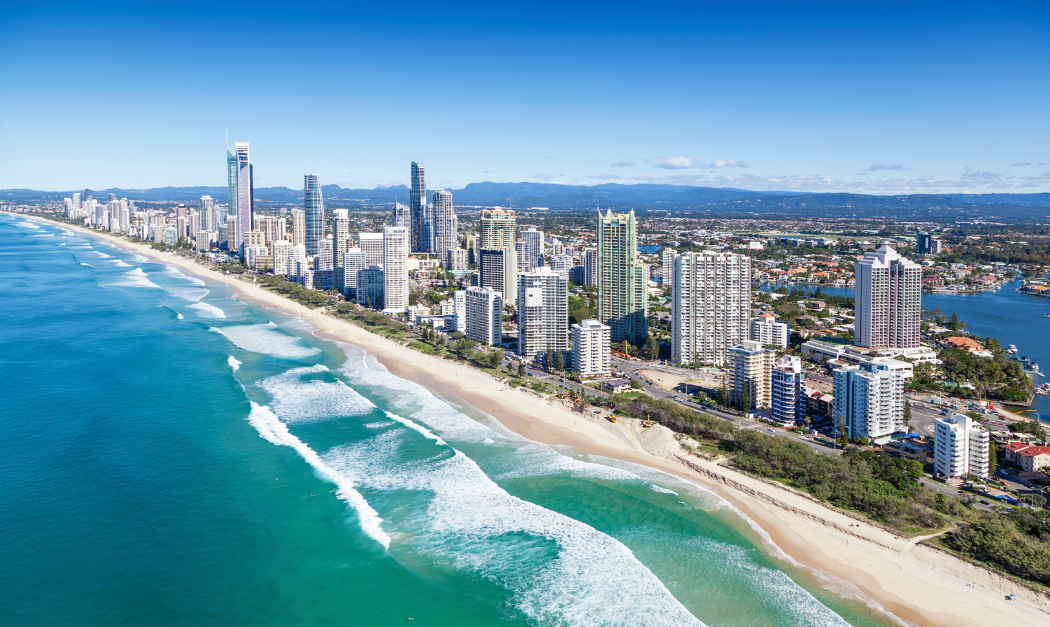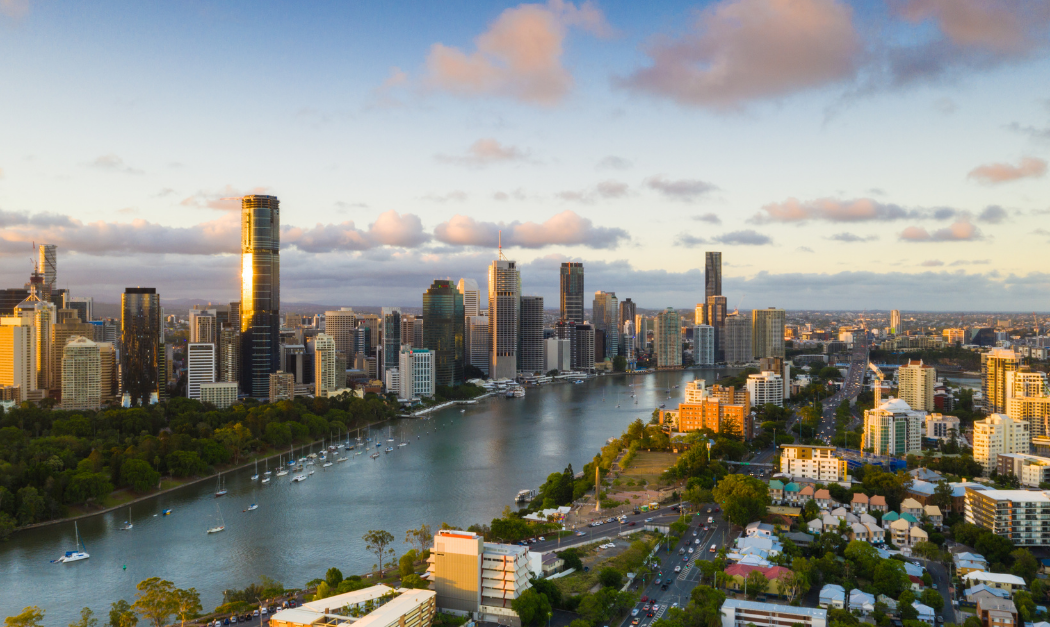
Australia’s population has surged past 28 million people, a milestone once forecast for the end of this century. Net overseas migration remains the primary driver, adding roughly 301,000 people in 2025 alone, on top of natural increase. Every one of these new residents needs somewhere to live, yet the construction industry cannot keep pace. The National Housing Accord set a target of 1.2 million new homes by mid-2029. Current building approvals are tracking well below that rate, leaving an annual shortfall estimated between 55,000 and 80,000 dwellings. This gap between demand and delivery affects every buyer, investor and downsizer watching the market. Can housing supply ever catch up with population growth?
For those trying to purchase property in this environment, understanding the forces behind Australia’s housing shortage is essential. This guide breaks down what is driving population growth and why supply keeps falling behind. It also explains what this means for buyers navigating a competitive, undersupplied market across Sydney, Melbourne, Brisbane, Perth, Adelaide and Canberra.
How Fast Is Australia’s Population Growing?
Australia’s population has passed 28 million people. The Australian Bureau of Statistics did not expect this level until near the end of this century. The Centre for Population’s 2025 Population Statement projects the total will reach 31.5 million by 2035-36.
Net overseas migration remains the biggest driver of this growth. In 2024-25, net overseas migration reached around 306,000 people. Skilled workers make up the largest share of that migration intake. Australia’s 2025-26 Permanent Migration Program sets 185,000 places in total, and the Skill stream accounts for 132,200 of them, around 71%. This reflects steady demand for qualified workers in healthcare, construction, engineering and other in-demand fields.
Natural population growth adds to the total too. Births continue to outnumber deaths every year, even though migration remains the dominant driver overall.
Despite cost-of-living pressures and a tight housing market, Australia remains an attractive place to live. Strong wages, political stability and quality of life continue to draw skilled migrants and their families from around the world.
Where Population Growth Is Fastest
| State | What’s happening |
| Western Australia | Forecast to grow 1.8% in 2025-26, the fastest of any state |
| Victoria, Queensland, WA | Projected to be the fastest-growing states over the next decade |
| New South Wales | Remains Australia’s most populous state, projected to reach 9.6 million people by 2035-36 |
For buyers, a fast-growing population means more competition for the same pool of available homes. Well-located properties in high-growth states like Western Australia and Queensland often attract multiple offers within days of listing. Many of the best opportunities never reach major listing portals like Domain or realestate.com.au at all. They sell quietly through private networks before a public listing goes live.
Moove is a tech-enabled buyer’s agent operating across Sydney, Melbourne, Brisbane, Perth, Adelaide and Canberra. It uses its network of active real estate agents to access these off-market and pre-market properties on a buyer’s behalf. This gives buyers a wider pool of options. It matters most in the markets where population growth is putting the greatest pressure on supply.
Why Isn’t Australia Building Enough Homes?
Australia completed 43,816 new dwellings in the March 2026 quarter. That falls well short of the 60,000 homes needed each quarter. The National Housing Accord target is 1.2 million homes by 2029.
This shortfall did not happen for one single reason. Four factors are holding back supply at the same time.
What’s Slowing Down New Housing Supply
| Factor | What’s happening |
| Labour shortages | Infrastructure Australia forecasts demand for 521,000 construction workers by 2027, against an estimated shortfall of 300,000 workers for the current project pipeline |
| High construction costs | The Cordell Construction Cost Index rose 1% nationally in the December 2025 quarter, the fastest quarterly rise in a year |
| Planning delays | Slow and inconsistent approval processes are stalling projects across the country, even after a site has cleared the rezoning stage |
| Limited land in established suburbs | Three-quarters or more of residential land in Brisbane, Perth and Adelaide is zoned for two storeys or fewer, limiting new housing near jobs and transport |
Each of these factors compounds the others. A labour shortage slows down projects already stuck in planning queues. Restrictive zoning means even approved sites cannot deliver enough new homes to meet demand.
For buyers, this means fewer new-build options and stronger competition for existing homes in well-located, established suburbs. A buyer’s agent can help buyers respond to this squeeze in real time. Moove’s buyer’s agents track building approvals, off-market listings and shifting supply conditions across Sydney, Melbourne, Brisbane, Perth, Adelaide and Canberra. This local market knowledge helps buyers move quickly and confidently in suburbs where new supply is genuinely limited. Buyers do not need to compete blind against everyone chasing the same handful of listings.
How Undersupply Is Pushing Up Prices and Rents
More people chasing fewer available homes has a direct effect on the market. Competition for existing homes has intensified in almost every capital city. Buyers are no longer just competing with other buyers. They are also competing with renters who cannot find a home and decide to buy instead.
Rental Shortages Are Adding to the Pressure
Australia’s national rental vacancy rate fell to 1.0% in March 2026, according to SQM Research. Perth, Darwin and Hobart are even tighter, all sitting below 0.5%. A healthy, balanced rental market typically sits around 2-3% vacancy.
| Market | Vacancy rate (approx.) |
| National | 1.0% |
| Perth | 0.5% |
| Darwin | 0.4% |
| Hobart | 0.4% |
| Healthy market benchmark | 2-3% |
Rents have climbed as a result. Combined capital city rents reached $724 a week in the March 2026 quarter. National rents are up 42.9% over the past five years. Australian households now spend a record 33.1% of gross income on rent. That is above the 30% threshold typically used to define rental stress.
Long-Term Pressure on Property Prices
Rental shortages push some renters toward buying sooner than planned, adding even more demand to an already tight sales market. National dwelling values climbed 8.6% in 2025, adding around $71,400 to the median home. Population growth is still outpacing new housing supply. This upward pressure on prices is likely to continue over the long term rather than ease quickly.
This combination of rising competition, tight rentals and long-term price growth makes timing and strategy critical for buyers. A buyer’s agent helps buyers act quickly and negotiate effectively in exactly this kind of market. Moove’s buyer’s agents use data on recent sales, off-market opportunities and local demand. This helps clients secure a property before competition drives the price even higher. This support matters most in undersupplied markets. Hesitating for even a few days can mean losing a property to another buyer.
Which Areas Are Best Positioned for Growth?
Not every suburb feels the same pressure from population growth and undersupply. Some areas are far better placed to hold or grow in value. Three factors matter most: infrastructure investment, capped future supply in established suburbs, and proximity to transport, jobs and schools.
Infrastructure Investment Is Reshaping Growth Corridors
Australia is in the middle of its largest sustained period of transport infrastructure investment on record. New transport links, employment hubs and urban renewal projects are lifting demand in specific pockets. This is happening well ahead of the broader market.
| City | Example area | Infrastructure driver |
| Sydney | Oran Park, Leppington, Austral, Edmondson Park | Western Sydney Airport, the M12 motorway and the South West Rail Link |
| Sydney | Bankstown | New metro line and town centre redevelopment |
| Brisbane | Woolloongabba, Hamilton | 2032 Olympics-linked transport and precinct upgrades |
| Perth | Alkimos | Rail extension and growth corridor planning |
Areas like these can see annual growth well above the broader market. Some Sydney corridors linked to the new airport are recording growth of 9 to 12% a year.
Established Suburbs with Limited Future Supply
Established, inner and middle-ring suburbs also stand to benefit, for a different reason. Zoning rules cap how much new housing can be added in many of these areas. Three-quarters or more of residential land in Brisbane, Perth and Adelaide is zoned for two storeys or fewer.
This means demand keeps rising in these suburbs while supply stays largely fixed. When a market like this faces extra population pressure, existing homes tend to hold their value more strongly over time.
Areas Near Transport, Employment and Schools
Location fundamentals matter more, not less, when supply is tight. Suburbs close to transport hubs, major employment centres and good schools consistently attract the strongest buyer demand. Price growth tends to concentrate where new jobs, upgraded transport and population growth all intersect in the same area.
This is exactly the kind of local detail a buyer’s agent is built to track. Moove’s buyer’s agents monitor infrastructure pipelines, zoning changes and off-market opportunities across Sydney, Melbourne, Brisbane, Perth, Adelaide and Canberra. This helps clients target suburbs with strong long-term fundamentals, rather than guessing which areas will perform well.
What Should Buyers Look for in a Tight Housing Market?
Given everything covered so far, the right property is not just about affordability. Four factors help buyers protect long-term value: land content, lifestyle appeal, development potential, and steering clear of oversupplied apartment precincts.
Land Value
Land, not the building on top of it, tends to drive long-term capital growth. Houses have historically delivered stronger capital growth than apartments, largely because of the land they sit on. Apartments can offer better rental yields, but land content still matters even within a unit purchase. A house on a larger block, or an apartment in a smaller boutique building, typically holds its value better. A unit in a high-density tower with little land per dwelling often does not.
Lifestyle Appeal
Buyers should also weigh lifestyle appeal. Proximity to cafes, parks, beaches and vibrant town centres supports steady long-term demand. These are the kinds of locations people want to live in. Demand holds steady regardless of interest rates or broader market swings.
Development Potential
Development potential adds another layer of long-term value. A block that can be subdivided, extended or redeveloped under current or future zoning gives buyers options later on. Recent zoning reforms in states like NSW and Victoria are opening up parts of established suburbs. These areas can now allow duplexes, townhouses and small-scale developments. Buying in one of these areas ahead of time can add real upside as reforms take effect.
Avoiding Oversupplied Apartment Markets
Not every apartment purchase makes sense, even in a tight market. Large-scale high-rise developments can create localised oversupply, especially when several similar towers are approved in the same precinct at once. This kind of concentrated new supply can weigh on rents and resale values, even while the broader market remains undersupplied. Buyers should check how much new apartment stock is approved or under construction nearby before committing to a purchase.
It’s a lot for any buyer to weigh up at once: land value, lifestyle, development potential and supply risk. Moove’s buyer’s agents assess all of these factors on every property. They use local sales data and supply pipeline research to identify homes and units with strong long-term potential. This gives clients confidence they are buying the right property, not just an available one.
How to Navigate Australia’s Housing Supply Gap
Short-term market conditions will always fluctuate. Interest rates rise and fall, and monthly price growth moves up and down with sentiment. But supply and demand remain the biggest drivers of property values over the long term. As long as population growth continues to outpace new housing supply, well-located properties in undersupplied markets are likely to hold their value and grow over time.
Navigating this environment is not simple. Buyers need to weigh up population trends, infrastructure pipelines, zoning changes and supply risk, often while competing against other buyers for the same limited stock. This is where the right guidance makes a real difference.
A buyer’s agent gives buyers that guidance. Moove’s buyer’s agents combine local market data with hands-on experience to help clients find, assess and secure the right property, even in a tight and competitive market. Ready to buy with confidence in today’s housing market? Book a FREE consultation with Moove and let a buyer’s agent guide you through it.