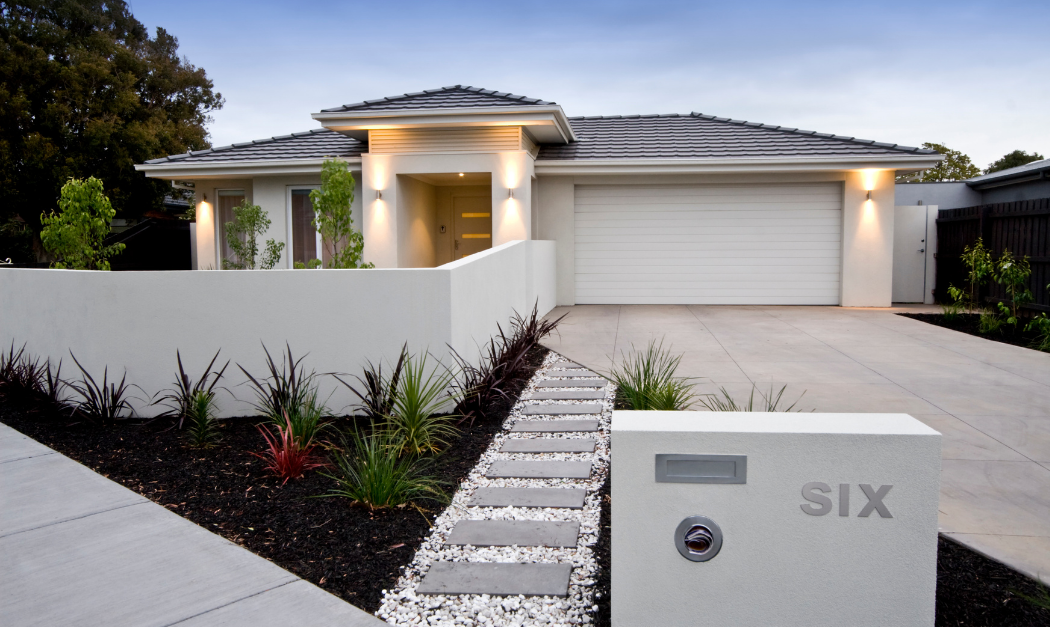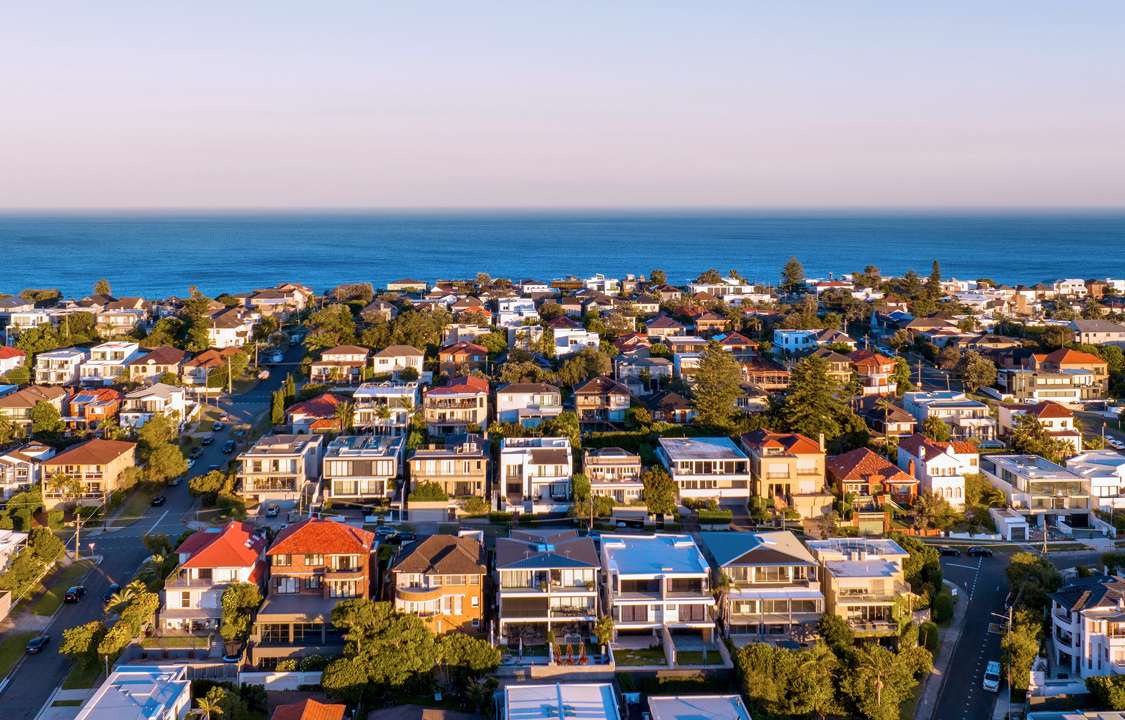
As 2025 draws to a close, the Australian property market is ending the year stronger than many expected. National home values climbed 0.5% in November, and annual growth has hit about 8.7%, the fastest pace since mid-2022. National home values have steadily increased throughout the year, reflecting ongoing demand, tight supply and the broader structural pressures shaping the market.
What’s fueling this November spike
- Renewed demand & tight supply: Demand remains strong whilst housing stock stays limited, especially in high-growth capitals and attractive regional and rural areas.
- Shifts toward smaller capitals and outer markets: Whilst major cities like Sydney and Melbourne saw more modest monthly gains, more regional areas saw larger jumps, indicating shifting buyer interest toward more affordable or value-driven areas.
- Momentum from earlier gains/buyer sentiment: With property values already climbing through the year, some buyers may have felt pressure to act before prices rose further, feeding into a self-reinforcing cycle.
What this means for buyers and the market cycle
- The market may be in a late-cycle heat-up phase, where demand spikes again after a period of gradual build-up.
- Buyers who were previously waiting may feel urgency; the risk is that delaying could mean paying more.
- For investors or buyers seeking value, smaller capital and fast-growing regional areas are increasingly attractive, as they have shown some of the strongest month-to-month gains.
- However, as with a surge, there’s a risk of overheating: affordability issues may intensify further (especially for first-home buyers), and growth could slow if interest rates shift or supply improves.
What to watch heading into 2026
Will the November surge continue?
Whilst November showed a clear lift compared to October, it doesn’t necessarily signal that this sharper pace of growth will repeat month on month. Earlier in 2025, we saw stronger monthly gains. The market is still firmly in positive territory, but monthly growth may fluctuate depending on buyer confidence and available stock.
Which markets are likely to lead next?
The November data suggest that smaller capitals and high-demand regional centres could remain the standout performers heading into 2026. As affordability pressures persist in Sydney and Melbourne, buyers are increasingly looking to cities like Adelaide, Brisbane, Perth and strong regional hubs, where price growth is more attainable, and lifestyle offerings remain attractive.
What this means for first-home buyers:
If price growth continues at even a moderate pace, first-home buyers may feel further pressure to adapt their expectations.
This may mean:
- Considering units or townhouses rather than houses
- Exploring outer-metro or regional areas
- Entering the market sooner to avoid further price creep.
The November uptick reinforces the reality that waiting for a cool-down may not always result in better buying conditions.
Could the market moderate?
Even with strong November results, a degree of moderation remains possible. Factors, including interest-rate adjustments, increased housing supply or broader economic shifts, could temper the pace of growth heading into 2026. A November surge doesn’t automatically guarantee the same level of acceleration in the months ahead, but the underlying fundamentals continue to support steady, long-term growth.
To Summarise
November 2025 highlighted the ongoing strength of the Australian property market, with steady growth continuing across many cities and regional areas. Whilst gains varied across locations, the overall trend remains upward, reflecting strong demand and constrained supply.
For prospective buyers, now is a great time to explore your property options. Whether you’re looking to buy your first home, upgrade or invest, getting started early and planning strategically is key. If you want to talk about how to begin your property journey, don’t hesitate to get in touch. We can help you navigate the market and find the right opportunity for your goals.