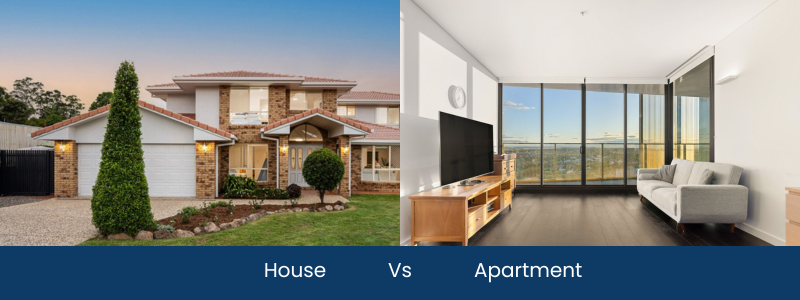
It depends on your goals. Houses in Sydney tend to offer stronger long-term capital growth, while units provide a more affordable way to enter the market, especially for first-home buyers.
What’s the difference between buying a house and a unit in Sydney?
The main trade-off is between price, growth potential, and lifestyle. Here’s a breakdown of what to consider:
🏡 Pros and cons of buying a house in Sydney
✅ Pros:
- Higher capital growth potential over time
- Land ownership, which often increases in value
- More independence and privacy — ideal for families or long-term living
❌ Cons:
- Higher purchase price, especially in inner and middle-ring suburbs
- More maintenance and higher ongoing costs (e.g. gardens, repairs)
- Further from the CBD unless your budget is high
🏢 Pros and cons of buying a unit in Sydney
✅ Pros:
- Lower entry price, especially in popular suburbs
- Closer to the city, transport, cafes, and work hubs
- Low-maintenance lifestyle, ideal for singles, couples, or investors
❌ Cons:
- Slower capital growth than houses over time
- Strata fees and less control over the building
- Smaller living space may not suit growing families
Which is better for long-term growth?
Historically, houses outperform units in terms of capital growth in Sydney, mainly due to the land component. If your goal is to build long-term wealth or upgrade in future, a house may be a better investment if your budget allows.
However, that doesn’t mean units are a bad option. In some suburbs, well-located units can offer strong rental yields and decent growth, especially if you buy in a smaller block with low strata and good land value.
Which is better for lifestyle or affordability?
If you’re a first-home buyer or want to live closer to work and amenities, a unit may offer better lifestyle value. You can get into areas like Inner West, Eastern Suburbs, or Lower North Shore at a fraction of the price of a house.
For many buyers, a unit is a stepping stone, allowing them to build equity before upgrading to a house later.
Final tip: Focus on what fits your goals
Ask yourself:
- Are you buying to live in or invest?
- What’s your budget and borrowing power?
- Do you need space now, or can you grow into it later?
Sometimes, buying a unit sooner is smarter than waiting years for a house. It’s all about what suits your current life stage and long-term goals.
Need help weighing up your options?
Chat with a Moove buyer’s agent. We’ll help you compare suburbs, property types, and growth data so you can buy with confidence.