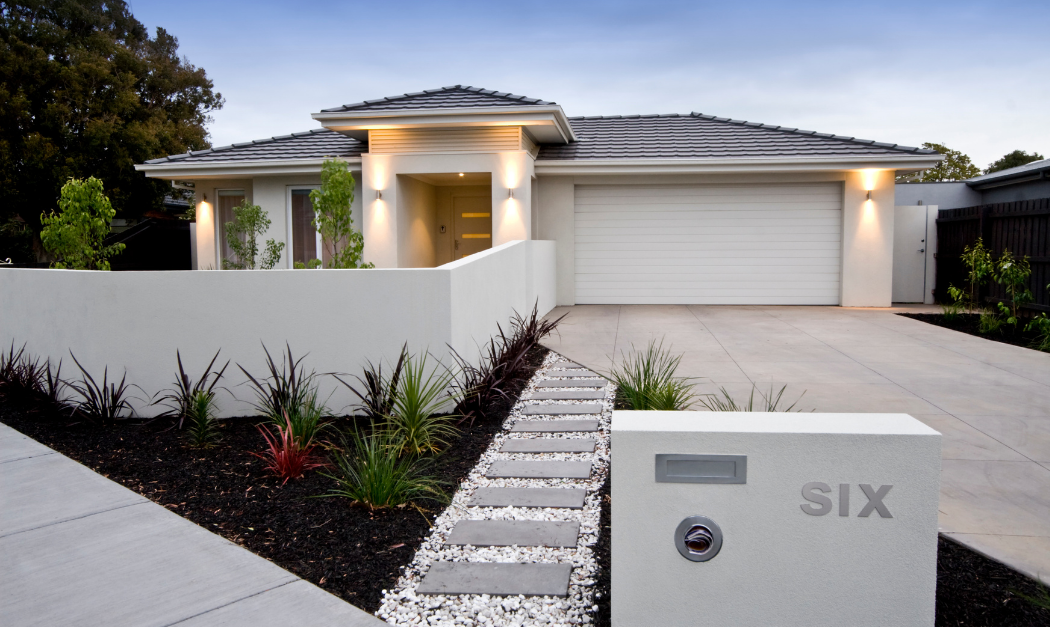
Buying a home is often one of the most significant financial decisions you’ll make in your lifetime. With property prices in Australia on the rise, it’s essential to have a clear understanding of your budget before you begin the search for your dream home. In this comprehensive guide, we’ll explore the critical factors you need to consider when determining your budget for buying a home in Australia. So, let’s dive in and unlock the secrets to finding the perfect house within your financial means!
Step 1: Assess Your Financial Situation
Understanding Your Income
The first step in determining your budget for a home in Australia is to understand your income. Make sure to include all sources of income, such as your salary, investments, and any additional streams. Knowing your total monthly income will be crucial in calculating how much you can afford for a mortgage repayment.
Evaluating Your Expenses
Once you have a clear understanding of your income, you need to evaluate your monthly expenses. List all your fixed and variable expenses, including rent, utilities, groceries, insurances, and any outstanding debts. This will help you determine how much disposable income you have available for mortgage repayments.
Reviewing Your Savings
Finally, review your savings to establish a realistic down payment for your new home. The more significant your down payment, the lower your mortgage repayments will be. It’s generally recommended to save at least a 20% deposit to avoid paying Lenders Mortgage Insurance (LMI).
Step 2: Calculate Your Borrowing Power
Your borrowing power is the amount a lender is willing to loan you based on your financial circumstances. It’s essential to understand your borrowing power before you start looking for a home, as it helps you narrow down your search to properties within your price range.
Factors Affecting Borrowing Power
Several factors can impact your borrowing power, including:
- Income: A higher income generally translates to higher borrowing power.
- Credit Score: A good credit score can increase your chances of securing a loan and can also impact the amount you can borrow.
- Debts: Existing debts can reduce your borrowing power as they impact your ability to repay a mortgage.
- Interest Rates: Lower interest rates can increase your borrowing power as they result in lower mortgage repayments.
- Loan Term: A longer loan term can increase your borrowing power by reducing your monthly repayments.
Online Mortgage Calculators
To calculate your borrowing power, you can use an online mortgage calculator. These tools allow you to input your financial details and provide an estimate of how much you can borrow. Keep in mind that these calculators should only be used as a guide, and it’s always best to consult a mortgage broker or financial advisor for personalised advice.
Step 3: Factor in Additional Costs
When determining your budget for buying a home in Australia, it’s essential to factor in additional costs beyond the purchase price. These can include:
- Stamp Duty: A tax levied by state and territory governments on property purchases. The amount of stamp duty you’ll need to pay depends on the value of the property and your location.
- Lenders Mortgage Insurance (LMI): A one-time fee paid by borrowers who have a deposit of less than 20% of the property’s purchase price. LMI protects the lender in case you default on your mortgage.
- Conveyancing Fees: Legal fees associated with transferring property ownership, usually handled by a solicitor or conveyancer.
- Building and Pest Inspections: Pre-purchase inspections to identify any potential issues with the property, such as structural defects or pest infestations.
- Moving Costs: Expenses associated with hiring a moving company or renting a truck to transport your belongings to your new home.
- Home and Contents Insurance: Protects your home and belongings from damage or loss caused by theft, fire, storms, and other events.
- Mortgage Application Fees: Some lenders charge a fee to process your mortgage application, so be sure to factor this into your budget.
- Utility Connection Fees: Costs to connect utilities such as electricity, gas, and internet to your new home.
- Council Rates and Strata Fees: Ongoing fees that cover services and maintenance provided by local councils and strata corporations.
It’s crucial to budget for these additional costs, as they can significantly impact your overall affordability when buying a home in Australia.
Step 4: Establish Your Ideal Property Price Range
Now that you have a clear understanding of your financial situation, borrowing power, and additional costs, you can establish your ideal property price range. This range will help you target properties that are within your budget and avoid the disappointment of falling in love with a home you can’t afford.
To determine your ideal property price range:
- Calculate your maximum borrowing capacity using your financial information and borrowing power.
- Add your available down payment to your borrowing capacity.
- Subtract any additional costs from the total to establish your maximum property price.
- Consider your monthly expenses and determine a comfortable mortgage repayment amount that aligns with your lifestyle and financial goals.
- Use this repayment amount to calculate a minimum property price.
By establishing a property price range, you can confidently begin your search for a new home in Australia, knowing that you’re making a sound financial decision.
Step 5: Seek Professional Advice
While this guide provides a comprehensive overview of determining your budget for buying a home in Australia, it’s always recommended to seek professional advice. A financial advisor or mortgage broker can help you assess your financial situation, provide personalised recommendations, and guide you through the mortgage application process.
Conclusion
Determining your budget for buying a home in Australia is a critical step in the home-buying journey. By understanding your financial situation, calculating your borrowing power, factoring in additional costs, and establishing your ideal property price range, you’ll be well-prepared to find the perfect home that aligns with your financial goals.
Remember, it’s always best to seek professional advice to ensure you’re making the best decisions for your unique financial situation. So, go ahead and take the first step towards homeownership in Australia with confidence, knowing you’ve carefully assessed your budget and are prepared for the exciting journey ahead!