A building inspection is one of the most important steps in the home-buying process, yet it’s often rushed or overlooked under the pressure of competing offers and tight timelines. For Australian buyers, a thorough inspection can reveal issues ranging from structural defects and water damage to termite activity and pest infestations, all of which can affect a property’s value, safety, and long-term costs. Understanding what these inspections cover, what they typically cost, and what red flags should make you reconsider a purchase is essential for making a confident decision.
This guide breaks down what building and pest inspections involve, the warning signs that often cause buyers to walk away, and why some issues can still slip through unnoticed. Having an experienced buyers agent on your side means having someone who knows what to look for, how to interpret inspection reports, and how to factor any findings into your negotiation strategy, helping you avoid costly surprises and buy with greater certainty.
What a Building Inspection Covers
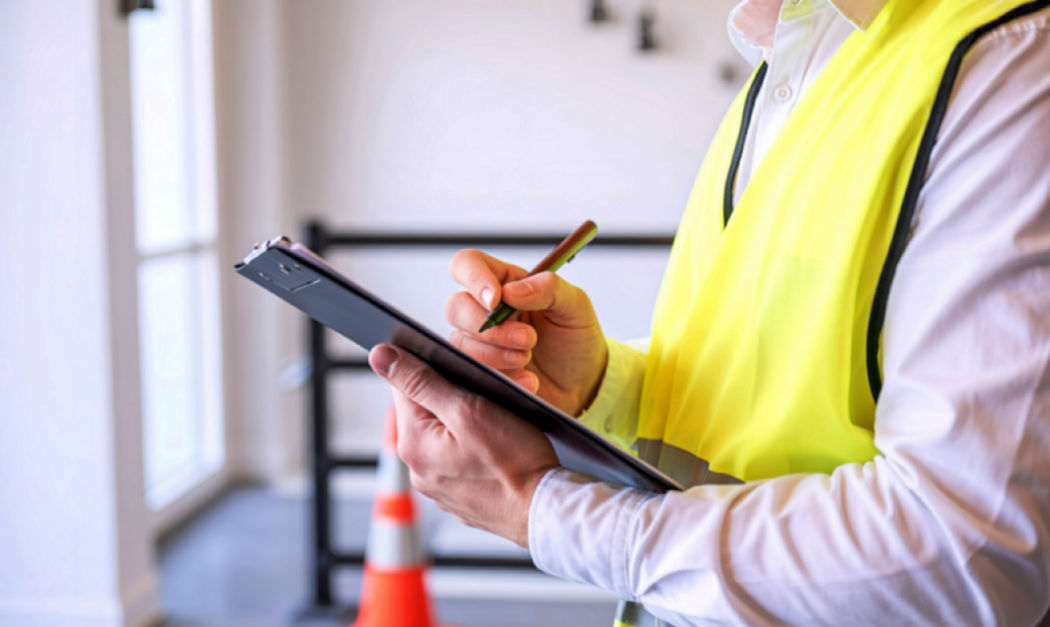
A building inspection, also called a pre-purchase inspection, is a professional assessment of a property’s structural condition before a buyer commits to purchasing it. Building inspections, also known as pre-purchase inspections or structural inspections, focus on the structural integrity of the property, examining the foundation, walls, roof, and other structural components for signs of damage or wear. In Australia, this assessment is typically carried out by a licensed building inspector who provides a written report outlining the property’s condition and flagging any areas of concern.
Beyond structural soundness, a building inspection checks whether a property meets current safety and compliance standards. Property inspections help ensure that a property is safe and complies with local building codes and regulations, which is particularly important in Australia given the strict building standards in place to protect residents from natural disasters such as bushfires and floods. For buyers, this means an inspection isn’t just about spotting cracks in a wall; it’s about confirming the home won’t expose them to legal or safety issues after settlement.
One of the most practical benefits of a building inspection is the way it shapes a buyer’s budget and negotiating position. Identifying issues during an inspection allows buyers to better budget for necessary repairs and maintenance, helping them avoid unexpected costs after purchasing the property. If significant problems are uncovered, this information can be used to negotiate a lower sale price or request that the seller carry out repairs before the sale proceeds. In a competitive Australian market, this leverage can make a meaningful difference to the final price a buyer pays.
For many buyers, however, the challenge isn’t knowing that an inspection is needed, it’s knowing how to read the report, judge whether an issue is a deal-breaker or a minor fix, and use those findings effectively at the negotiating table. This is where a buyers agent becomes valuable. At Moove, building and pest inspections are coordinated as part of the buying journey, with a dedicated buyers agent helping clients interpret inspection findings and factor them into offer strategy and negotiations, so issues uncovered on paper translate into real savings or informed decisions rather than being missed or glossed over.
What a Pest Inspection Covers
A pest inspection, often carried out alongside a building inspection, focuses specifically on identifying signs of pest activity that could compromise a property’s structure or safety. Pest inspections focus on identifying any signs of pest infestations, such as termites or rodents, and are particularly important in Australia, where termites can cause significant structural damage to properties. For buyers, this inspection answers a question a building inspection alone can’t: is the timber inside these walls and floors still structurally sound, or has it been quietly eaten away?
Termites are the primary concern for Australian property buyers, and the scale of the risk is significant. Termite damage to Australian homes exceeds $1.5 billion annually, making termites among the most destructive pests in the country, and the danger lies in the fact that homeowners often only discover the damage once it’s already extensive. CSIRO estimates that one in five Australian homes will be attacked by termites at some point, which is why a pre-purchase pest inspection is considered essential rather than optional, particularly in termite-prone states such as Queensland and New South Wales.
A standard pest or termite inspection in Australia typically costs between $250 and $500, with the final price depending on the property’s size, layout, and accessibility of areas like the subfloor and roof cavity. It’s worth noting that termite damage and treatment costs are generally excluded from standard home building insurance policies, since pest prevention is treated as a routine maintenance responsibility rather than an insurable event. This means any termite damage found before purchase becomes the buyer’s problem to budget for, or the seller’s problem to fix, depending on how the contract is negotiated.
A pest inspection report can reveal active infestations, past damage, and conditions around a property (such as timber in contact with soil, or poor subfloor ventilation) that make future termite activity more likely. For a buyer without a trained eye, these findings can be easy to underestimate or misread, especially when a report flags ‘conducive conditions’ rather than active damage. This is where having a buyers agent involved makes a practical difference: at Moove, a dedicated buyers agent helps clients understand what a pest report is actually saying, distinguishes between a minor maintenance issue and a genuine red flag, and uses that information during negotiations, whether that means requesting a price reduction, asking the seller to treat the issue before settlement, or, in serious cases, walking away from the deal altogether.
Typical Costs of Building and Pest Inspections
A combined building and pest inspection is one of the smaller costs in the home-buying process, but it’s also one of the most valuable, often saving buyers far more than it costs. A building and pest inspection cost is generally lower when booked as a package, with bundled reports typically costing $350 to $700 depending on the home’s size, covering both the property’s structure and condition as well as signs of termite damage, rot, and other hidden issues. Booking both inspections together with the same provider is standard practice across Australia and avoids the cost and scheduling hassle of arranging two separate visits.
Prices vary depending on which Australian city the property is in. In Sydney, combined building and pest inspections typically start from around $399 including GST, while Melbourne metro inspections for older inner-city homes often cost $600 to $900, with outer suburbs and regional Victoria closer to $450 to $700. Brisbane and the Gold Coast combined inspections tend to run $450 to $750, with the pest component carrying more weight than in southern states due to higher termite activity, and regional Queensland typically falling between $400 and $650.
Further west and south, prices tend to be slightly lower. Perth combined inspections typically cost $400 to $650, with regional WA usually $350 to $550, partly reflecting newer housing stock and lower competition among inspectors. Adelaide is one of the more affordable Australian capital cities for inspections, often costing $350 to $600 for a combined building and pest report. Canberra pricing generally sits within a similar range to other capital cities, though buyers should always confirm current quotes directly with local inspectors, as pricing can shift with demand and property type.
Several factors push these costs higher. Older properties built with heritage materials such as slate roofs, lath-and-plaster walls, or original electrical wiring require more specialist expertise and take longer to inspect, while larger properties with multiple roof spaces, subfloor access points, or additional structures like granny flats and pool houses each add to the inspection time and cost. For high-value purchases, inspections are sometimes bundled with additional specialist reports, such as a structural engineer’s assessment or an asbestos audit, which adds further cost but can be critical for properties where the stakes of missing a defect are higher.
Spending a few hundred dollars on a combined inspection is a small price relative to the cost of the property itself, but the real value lies in what’s done with the report afterwards. A buyer reading a 30-page inspection report alone can struggle to separate a serious structural issue from a routine maintenance note, which is exactly the gap a buyers agent fills. At Moove, building and pest inspection costs are factored into the overall budget from the outset, and findings from these reports are used directly in negotiation strategy, helping clients understand not just what an inspection costs, but what it’s worth in terms of protecting their purchase price.
Common Red Flags That Make Buyers Walk Away
A building and pest inspection report doesn’t just list defects, it helps a buyer separate cosmetic issues from genuine deal-breakers. Active termites, major structural movement, significant water damage, and unsafe wiring are considered major red flags, as they can be expensive and risky to fix, and in some cases financing won’t even be approved until they’re addressed. By contrast, issues like peeling paint, squeaky doors, and minor plaster cracks are typically cosmetic fixes that act as bargaining chips rather than reasons to walk away.
Active termite damage is one of the most serious findings a buyer can receive. Active termite damage to structural timbers is considered a major red flag, with repair costs for severe structural termite damage potentially exceeding $100,000, plus ongoing management costs of $1,500 to $3,000 per year. Significant foundation or structural movement is another. Diagonal cracking through brickwork, doors and windows that won’t close properly, and uneven floors can indicate significant foundation movement, with foundation repairs potentially running into tens of thousands of dollars.
Roof condition and waterproofing failures are also common deal-breakers, particularly in older properties. Major roof structure failure, including sagging ridgelines, broken trusses, and widespread water ingress, is treated as a serious red flag in building inspection reports. In bathrooms and wet areas, waterproofing membranes typically last 10 to 15 years under normal conditions, and if moisture has spread to wall framing, replacing failed waterproofing can require a complete bathroom strip-out costing between $15,000 and $35,000 per bathroom. Asbestos is another factor buyers need to weigh carefully. Homes built before 1990 have a high likelihood of containing asbestos somewhere in the structure, found in materials such as fibro sheeting, vinyl floor tiles, insulation, and eaves lining, though asbestos in good condition and left undisturbed is generally considered low risk.
Importantly, finding a red flag doesn’t automatically mean a buyer should abandon the purchase. Identifying a red flag means a buyer needs to take deliberate steps before proceeding, such as engaging a structural engineer for structural issues or arranging asbestos testing and removal quotes, rather than relying on guesswork. The buyer then needs to add up the full cost of all required repairs and treatments, including ongoing management costs such as annual termite inspections, and compare this total against the purchase price and the property’s value once repaired. If the total repair cost is manageable and a fair price reduction can be negotiated, the property may still be a good purchase, but if defects are too severe, repair costs too high, or the vendor refuses to negotiate, walking away is a legitimate and sometimes necessary decision.
This is where a buyers agent earns their place at the negotiation table. Knowing which findings are genuine deal-breakers versus negotiable repairs, and having the confidence to push back on a vendor or recommend walking away, requires experience that most buyers simply don’t have. At Moove, a dedicated buyers agent reviews inspection findings alongside the client, helps source specialist quotes where needed, and builds any red flags directly into the negotiation strategy, whether that means securing a price reduction, requesting pre-settlement repairs, or, when the numbers don’t stack up, recommending the client walk away from the deal entirely.
The Issues That Often Get Missed
A building and pest inspection report is one of the most valuable tools a buyer has, but it isn’t a complete guarantee that every issue with a property will be found. In Australia, inspectors work to AS 4349.1, the industry standard for pre-purchase inspections, which sets clear limits on what’s included and what isn’t, and pre-purchase inspections are visual and non-invasive, meaning the inspector won’t cut into walls, lift up floors, or rearrange furniture. This means a report reflects what was visible and accessible on the day, not necessarily everything that’s wrong with the property.
Several common areas of a home fall outside the scope of a standard inspection simply because they can’t be safely or reasonably accessed. Areas behind built-in wardrobes, under fixed floor coverings, and inside wall cavities are all off-limits, and if a property is tenanted with furniture blocking access to walls or floors, the inspector notes it and moves on rather than requesting it be cleared. If something looks fine on the surface but is rotting underneath, a visual-only inspection won’t detect it, and this is a limitation of the service being provided, not a failure on the inspector’s part.
Asbestos is a particularly important example of a gap many buyers don’t expect. A standard pre-purchase inspection does not include asbestos identification or testing, although inspectors may note the suspected presence of asbestos-containing materials based on the age of the property. Given that asbestos was used extensively in Australian homes built before 1990, this is a significant blind spot for buyers of older properties unless a specialist asbestos assessment is arranged separately.
Even when an inspector does flag a concern, the report often stops short of telling a buyer what to do next. Inspectors identify defects but don’t quote repairs, so if a report notes that a roof needs replacing, it won’t include an estimated cost, leaving the buyer to organise their own trade quotes before settlement. When an inspector recommends further investigation, such as a structural engineer’s assessment, they’re being cautious rather than confirming there’s definitely a serious problem, which leaves many buyers unsure how seriously to take the recommendation.
This is precisely the gap where having an experienced advocate matters most. A first-time buyer reading an inspection report alone may not know that an ‘access not available’ note in a roof void section could be hiding a major issue, or that a recommendation for further investigation should be treated as a priority rather than an optional extra. At Moove, a dedicated buyers agent reviews every inspection report with the client, helps identify where additional specialist checks are genuinely warranted, and ensures that any access limitations or vague notes in a report are followed up before the cooling-off period or finance clause expires, so nothing important slips through simply because it wasn’t visible on inspection day.
Why Having a Buyers Agent Makes the Difference
A building and pest inspection report only delivers value if the findings are correctly understood and acted on, and this is where many buyers, particularly first home buyers, fall short. A buyer’s agent inspects the property structure while evaluating necessary repairs and identifying concealed issues, often working alongside professional building inspectors to assess foundation cracks, water damage, and electrical problems. Rather than reading a 30-page report in isolation, a buyer with an agent has someone experienced sitting alongside them, helping translate technical findings into a clear picture of the property’s true condition.
A buyers agent’s role extends well beyond the inspection itself. Before committing to a purchase, a buyer’s agent can assess the property’s market value and review key reports, such as building and pest inspection reports and strata reports, to uncover any hidden risks. This means inspection findings aren’t considered in a vacuum; they’re weighed against what the property is actually worth, giving buyers a realistic view of whether the asking price still makes sense once defects are factored in.
When red flags do emerge, having an advocate becomes critical at the negotiation table. A buyers agent negotiates with real estate agents and sellers to get the best possible price and terms for the property, and their expert negotiation skills can save buyers thousands. For Australian buyers managing the pressure of cooling-off periods, finance clauses, and competing offers, having someone who has been through this process many times before, and who isn’t emotionally attached to the property, often makes the difference between a fair outcome and an expensive mistake.
This is exactly the role Moove plays for its clients. Moove offers three service packages for owner-occupier home buyers: Negotiate at $7,500, Classic at $12,000, and Classic Plus at $20,000, all inclusive of GST. With the Classic Plus package, a dedicated buyers agent can attend property inspections in person and provide video walk-throughs, giving clients an extra set of experienced eyes on the property before any building and pest inspection even takes place. Across all packages, Moove’s buyers agents review inspection reports with clients, help interpret what red flags genuinely mean for the purchase, and build those findings directly into the negotiation strategy, whether that’s securing a price reduction, requesting repairs before settlement, or recommending a buyer walk away from a property altogether.
For buyers across Sydney, Melbourne, Brisbane, Perth, Adelaide, and Canberra, this kind of support turns a building and pest inspection from a tick-box exercise into a genuine decision-making tool, one that protects against the costly surprises that catch so many buyers off guard.
Make Your Next Inspection Work for You
A building and pest inspection is one of the most important checks a buyer can carry out before committing to a property, but the report itself is only the starting point. Understanding what the inspection covers, what it typically costs, which findings are genuine red flags, and where the gaps in a standard report lie all play a part in making a confident, well-informed purchase decision. Without this knowledge, it’s easy for buyers to either panic over a minor issue or overlook a serious one.
Buying property in Australia, whether in Sydney, Melbourne, Brisbane, Perth, Adelaide, or Canberra, comes with enough complexity without having to become an expert in building defects overnight. Having a dedicated buyers agent review inspection reports, weigh up red flags against a property’s value, and negotiate accordingly takes the guesswork out of one of the biggest financial decisions most people will ever make.
If you’re navigating a property purchase and want an expert in your corner from inspection through to settlement, book a FREE consultation with Moove. Spend 30 minutes with one of our property experts to better understand how Moove can help you buy your home with confidence.