Australia’s property market is changing, and not every buyer wants to live in a towering high-rise. Enter the boutique apartment: a quieter, more considered alternative that’s drawing growing interest from first-home buyers, downsizers, and investors alike.
By definition, boutique apartments are small collections of residences that offer a unique set of advantages larger projects simply can’t match. Typically found in buildings with fewer than 50 residences, they prioritise quality over quantity, designed to feel exclusive and refined rather than dense and uniform. Contemporary architecture, bespoke construction, and high-end interior design are common hallmarks of a boutique development.
Across Australia, luxury boutique apartment projects are seeing robust demand, driven largely by downsizers and buyers seeking a premium lifestyle in a tighter, more intimate setting. But what exactly sets a boutique apartment apart. And is one right for you?
This guide covers everything you need to know before buying.
What Exactly Is a Boutique Apartment?
If you’ve been browsing the property market, you’ve likely come across the term ‘boutique apartment’ and wondered, what is a boutique apartment? But what does it actually mean?
At its core, a boutique apartment is part of a small collection of residences, offering a unique set of advantages that larger developments simply can’t match. These are typically found in buildings with fewer than 50 residences, with the focus firmly on quality over quantity, designed to feel exclusive and refined rather than dense and repetitive. Think low-rise buildings with considered architecture, premium finishes, and a strong sense of character that sets them apart from the cookie-cutter high-rise towers dominating much of Australia’s urban skyline.
The term ‘boutique’ itself has its roots in the hospitality world, first used in the 1980s to describe small, uniquely designed hotels in cities like New York, Paris, and London, celebrated for their individuality and personality. That same philosophy, intimate, design-led, and distinctly non-generic, carried over into residential property development and has only grown in popularity since.
It’s worth noting that ‘boutique’ isn’t a strictly regulated term in Australian real estate, so it can be used loosely by developers and marketers. If you’re unsure whether a property genuinely lives up to the label, Moove offers a free discovery session to help you get clear on what you’re looking for, and we’ll guide you every step of the way, from property search right through to settlement.
Key Features of a Boutique Apartment
So what actually makes a boutique apartment feel different the moment you walk in? While no two developments are identical, there are several defining traits that tend to set them apart.
Design and Build Quality
The workmanship, cabinetry, and finishes within a boutique apartment typically deliver a high level of sophistication and luxury. Think stone benchtops, timber flooring, and bespoke joinery rather than off-the-shelf fittings. Many boutique developments bring together technology, architecture, and design, using hand-selected materials and timeless construction to create something genuinely distinctive.
Low Density and Privacy
More exclusive boutique projects often provide residents with a high level of privacy through features such as direct lifts and clever architectural touches, including privacy screens on balconies and terraces. With fewer neighbours sharing the building, the day-to-day experience is noticeably quieter and more personal.
Considered Location
Boutique apartments are often located in leafy streets, near parks, cafés, and local shopping strips, positioned in established neighbourhoods rather than the fringe developments where large high-rise towers tend to cluster.
Intimate Strata Community
With a smaller number of residents, owners’ corporations in boutique buildings tend to be easier to manage and more cohesive. Strata rates are typically lower too, because there are fewer facilities and shared amenities to maintain.
A Note on ‘Boutique’ Claims
Not every development that uses the word ‘boutique’ genuinely delivers on these features. If you want to cut through the marketing noise and identify properties that truly stack up, we can help, with access to off-market listings and the expertise to assess build quality, location, and long-term value before you commit.
Boutique vs. High-Rise: What’s the Difference?
If you’re weighing up your apartment options, the boutique vs. high-rise question will likely come up early. Both have their merits, but they offer quite different living and investment experiences. Here’s how they compare across the factors that matter most to buyers.
Density and Scale
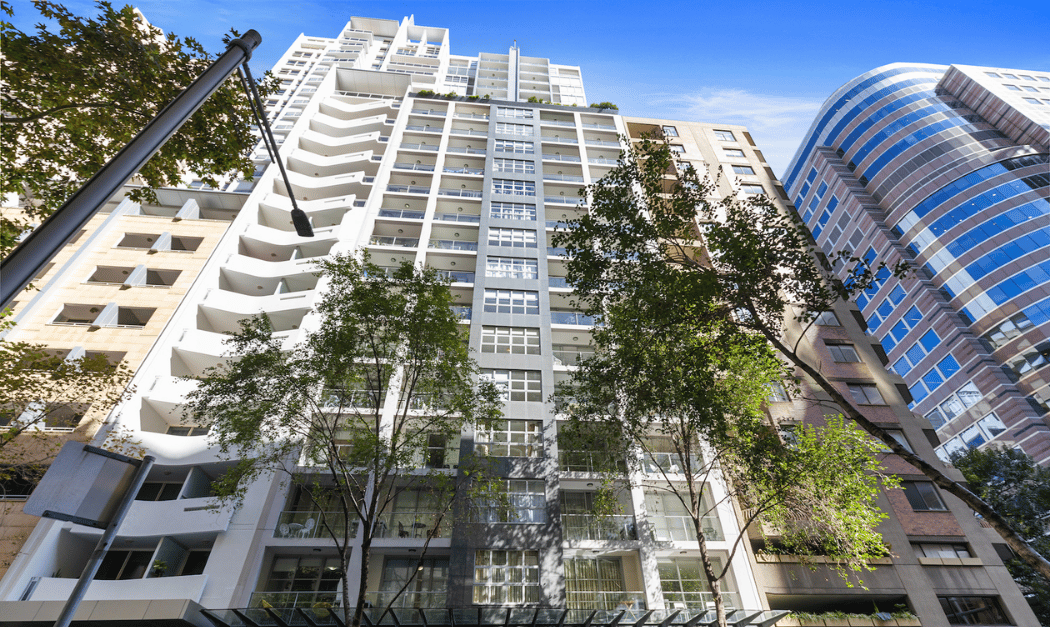
The most obvious difference is size. If you’re asking what is a boutique apartment, the answer often starts with scale: it is typically part of a small complex with fewer than 20–40 units, with a more intimate feel and limited shared facilities. A high-rise, by contrast, is part of a large building (usually more than 10 storeys) and can house hundreds of residents.
Privacy and Noise
Fewer residents means fewer shared walls, less foot traffic in common areas, and a noticeably quieter environment. Smaller developments produce fewer apartments hitting the market at once, and many buyers are specifically drawn to the privacy and lower-density lifestyle boutique buildings offer. High-rises, by nature, are busier, with lifts, lobbies, and common areas that see constant foot traffic.
Strata Fees
This is where the numbers can diverge significantly. High-rise apartments tend to have higher strata levies to maintain lifts, gyms, pools, rooftop terraces, and sometimes full-time building managers. If keeping annual property expenses down is a priority, boutique apartments will generally have the edge. To put figures to it, low-rise boutique buildings typically attract annual strata fees of around $2,000–$4,000 per lot, while high-rise towers in Australia can commonly reach $8,000–$12,000 or more per year.
Amenities
High-rises often boast resort-style amenities: pools, gyms, concierge services, and rooftop terraces. Boutique developments typically offer fewer shared facilities, but many buyers see this as a trade-off worth making for the lower fees, quieter environment, and stronger sense of community.
Resale and Investment Potential
Boutique apartments often attract stronger buyer competition due to their scarcity. High-rise buildings, on the other hand, can have multiple similar apartments listed for sale simultaneously, which can put downward pressure on prices and lengthen selling time.
Which Is Right for You?
The honest answer is: it depends on your lifestyle, budget, and long-term goals. This is exactly the kind of decision where Moove adds real value. We offer a free discovery session to understand what you’re trying to achieve, and we’ll provide independent, expert guidance to help you compare your options with confidence.
The Benefits of Buying a Boutique Apartment
Boutique apartments aren’t just aesthetically appealing. They come with a range of practical advantages that make them a compelling choice for buyers and investors alike. Here’s why so many Australians are choosing boutique over big.
Privacy and a Quieter Way of Living
With fewer residents sharing the building, boutique apartments offer a level of peace and privacy that larger complexes simply can’t replicate. For buyers still asking what is a boutique apartment, this quieter day-to-day experience is one of the clearest answers. There are no crowded lifts, no busy lobbies, and no constant stream of strangers in shared spaces. For owner-occupiers especially, this translates to a noticeably better day-to-day living experience.
Stronger Sense of Community
Smaller buildings tend to foster genuine neighbourly connections. When you share a building with 10 or 20 other residents rather than hundreds, you’re far more likely to know who lives next door, which also contributes to a greater sense of security and shared investment in the building’s upkeep.
Higher Build Quality
Contemporary architecture, interior design, and bespoke construction are common hallmarks of boutique developments, and developers of smaller projects often have more control over the quality of finishes and materials. The result is typically a more carefully considered product than what’s delivered at scale in high-rise towers.
Lower Ongoing Costs
If keeping annual property expenses down is a priority, boutique apartments will generally have the edge over high-rise alternatives, thanks to simpler shared infrastructure and fewer facilities to maintain.
Scarcity and Resale Value
Boutique apartments often attract stronger buyer competition due to their scarcity. Smaller developments mean fewer apartments hit the market at once, which can support prices and reduce selling time. Well-positioned, established apartments in low-rise boutique complexes offer investors an affordable opportunity to add a strong all-rounder to their portfolio.
Better Land-to-Asset Ratio
In smaller boutique complexes, each apartment typically represents a higher share of the underlying land value compared to a unit in a 200-lot tower. This intrinsic land value is a key differentiator, and it tends to keep rising over time.
Of course, not every boutique apartment on the market will deliver on all of these benefits. Location, developer quality, and strata management all play a role. That’s where having a buyer’s agent in your corner makes a real difference. At Moove, we go beyond the listing to assess what a property is genuinely worth. And with access to off-market opportunities, we can often find boutique options that never make it to the public portals.
Are There Any Downsides?
Boutique apartments have a lot going for them. But a balanced view means acknowledging the potential drawbacks too. Here’s what to keep in mind before you buy.
Higher Entry Price
The quality, exclusivity, and desirable locations that define boutique apartments come at a cost. Boutique doesn’t always mean expensive, and many off-the-plan projects are offering premium features at more accessible price points. But as a general rule, you’ll pay more per square metre for a boutique apartment than a comparable unit in a larger complex. For buyers on a tighter budget, this can narrow the options considerably.
Limited Supply
Boutique apartment projects remain in strong demand across most Australian markets, with undersupply levels likely to grow. While scarcity supports long-term value, it also means you may have fewer properties to choose from, and competition can be fierce when the right one does come up.
Fewer Shared Amenities
If a building gym, rooftop pool, or concierge service is important to you, a boutique development may not deliver. Smaller buildings typically offer fewer shared facilities, which is part of why strata fees are lower. But it’s a trade-off worth considering based on your lifestyle.
Strata Risks Still Apply
Boutique apartments aren’t immune to strata challenges. Poorly run strata committees or badly maintained buildings can result in higher levies, hurt resale values, and create ongoing disputes that frustrate owners. With fewer lot owners contributing to the sinking fund, a large unexpected repair (think roof replacement or structural work) can mean a significant special levy for each owner. Always review a building’s strata records and financials before committing.
Strata By-Laws Can Be Restrictive
Living in an apartment means adhering to strata by-laws, which can place restrictions on renovations, noise levels, and even pet ownership. In a boutique building where every owner’s vote carries more weight, these rules can occasionally be a source of friction.
The ‘Boutique’ Label Isn’t Always Honest
As touched on earlier, the term is unregulated, so some developments use it loosely to justify a premium price. Knowing how to separate genuine quality from clever marketing is critical, and it’s one of the core ways we help buyers. We assess each property on its merits, not its marketing, so you can buy with confidence.
Who Are Boutique Apartments Best Suited For?
Boutique apartments aren’t a one-size-fits-all solution, but they do align particularly well with certain types of buyers. Here’s a look at who tends to benefit most.
Downsizers
Demand for boutique apartments across Australia is predominantly driven by downsizers, and it’s easy to see why. Empty nesters looking to trade a large family home for something more manageable often want a property that feels special, not like a compromise. A boutique apartment delivers the quality finishes and sense of space they’re accustomed to, with far less maintenance and a tighter-knit community feel.
Professionals and Couples
Boutique apartments in well-located inner suburbs consistently attract strong demand from young professionals and couples seeking a vibrant urban lifestyle close to work, dining, and entertainment. For this demographic, the combination of design quality, privacy, and proximity to city amenities is a strong drawcard.
Lifestyle-Focused Owner-Occupiers
For buyers who prioritise how they live over how much space they have, boutique apartments hit the mark. They appeal particularly to buyers who value design, craftsmanship, and privacy. People who want their home to reflect their personal taste rather than blend in with hundreds of identical units.
Investors Seeking Quality Over Quantity
Investors are often advised to seek out low-rise or boutique apartment complexes, particularly in areas where planning rules cap the number of apartment buildings, as this limits future oversupply and helps protect long-term value. Well-located boutique developments that offer unique features, modern finishes, spacious layouts, and access to amenities tend to attract strong and consistent rental demand.
Not Ideal For Everyone
It’s worth being honest: boutique apartments aren’t the right fit for buyers who need significant space, a backyard, or resort-style amenities, or those working with a tighter budget in a high-demand city. If you’re unsure whether a boutique apartment suits your goals, that’s exactly the kind of question a free discovery session with us is designed to answer. We’ll help you assess your options clearly, without any pressure or agenda.
What to Look for When Buying a Boutique Apartment
Finding a property that genuinely lives up to the boutique label takes more than scrolling through listings. Here are the key things to assess before you sign anything.
Developer Reputation
The developer behind a boutique project has an outsized influence on its quality, far more so than in a large high-rise where economies of scale govern decisions. Check the developer’s reputation carefully. You don’t want to end up in a visually appealing building that starts deteriorating within a few years. Look for established developers with a transparent track record, local presence, and responsive communication, and review any defect reports from their previous completed projects where possible.
Strata Health and History
Strata reports cover the financial health of the building, the cost of current levies, pending works, and the history of the developer. Don’t skip this step. Request the latest strata report including meeting minutes, budget forecasts, and details of any disputes, and check that a healthy sinking fund exists for future building repairs or upgrades. In a boutique building with fewer owners, a depleted sinking fund can mean a hefty special levy lands on your doorstep.
Build Quality and Layout
Pay attention to details such as noise insulation, ventilation, ceiling height, and placement of power points. These factors impact both daily comfort and future resale value. If you’re buying off the plan, look at the developer’s previous completed projects in person rather than relying solely on renders and display suites.
Location
A boutique apartment is only as good as where it sits. Proximity to public transport, cafés, parks, and employment hubs matters enormously for both livability and long-term capital growth. Also consider future developments nearby. Upcoming infrastructure or commercial projects can significantly influence property values in the area.
Owner-Occupier to Investor Ratio
In smaller boutique buildings, the ratio of owner-occupiers to investors matters more than many buyers realise. A high proportion of owner-occupiers typically signals a better-maintained building, a more engaged strata committee, and greater price stability over time.
By-Laws and Restrictions
Before you fall in love with a property, check the strata by-laws. Rules around pets, short-term rentals, and renovations vary between buildings and can have a real impact on how you’re able to use, or eventually sell, your apartment.
Navigating all of this due diligence while also trying to find the right property is a lot to take on alone. At Moove, we handle the research, strata reviews, and property assessments on your behalf, from the initial search right through to settlement, so nothing gets missed and you buy with complete confidence.
Boutique Apartments and the Australian Property Market
Understanding where boutique apartments sit within the broader Australian property landscape can help you make a more informed buying decision, whether you’re purchasing to live in or to invest. If you’re still considering what is a boutique apartment, market context can also show why this style of property is attracting so much attention.
A Market Under Pressure
Australia’s housing market is facing a well-documented supply crunch. The National Housing Supply and Affordability Council projects that gross new housing supply will remain subdued through to early 2027, averaging around 183,000 dwellings annually, well short of what’s needed to keep pace with population growth. This structural undersupply is putting upward pressure on both prices and rents across the country.
Apartments Are Gaining Ground
The house-unit price gap is narrowing in most cities, structural undersupply is deepening, rental demand is acute, and affordability constraints are pushing more buyers towards apartments. The data backs this up: in 2025, Brisbane units delivered approximately 17% annual growth, while Perth units rose around 20%, strong results that reflect renewed buyer and investor interest in the apartment segment.
Looking further ahead, median apartment rents across Australian capital cities are expected to grow by 27% between 2025 and 2030, according to CBRE, a compelling outlook for investors considering the sector.
Boutique Projects Are Outperforming the Broader Apartment Market
Within the apartment segment, boutique developments are standing out. Luxury boutique apartment projects are seeing robust demand across most Australian markets, predominantly from downsizers and buyers seeking a premium lifestyle in a tighter, more intimate setting, even as larger high-density developments struggle to get off the ground. Boutique complexes tend to be favoured by lenders too, due to lower strata risk, a higher proportion of land value, and better long-term growth prospects.
The Off-Market Opportunity
Because boutique buildings have so few units, they rarely generate the same volume of public listings as larger complexes. Many of the best opportunities are transacted quietly: off-market, through networks, and before they ever hit the major portals. This is where working with a buyer’s agent gives you a genuine edge.
At Moove, our off-market access means we can surface boutique opportunities that most buyers simply never see, and our end-to-end guidance ensures you’re positioned to move quickly and confidently when the right one comes up.
Book your FREE discovery session today to get started.